
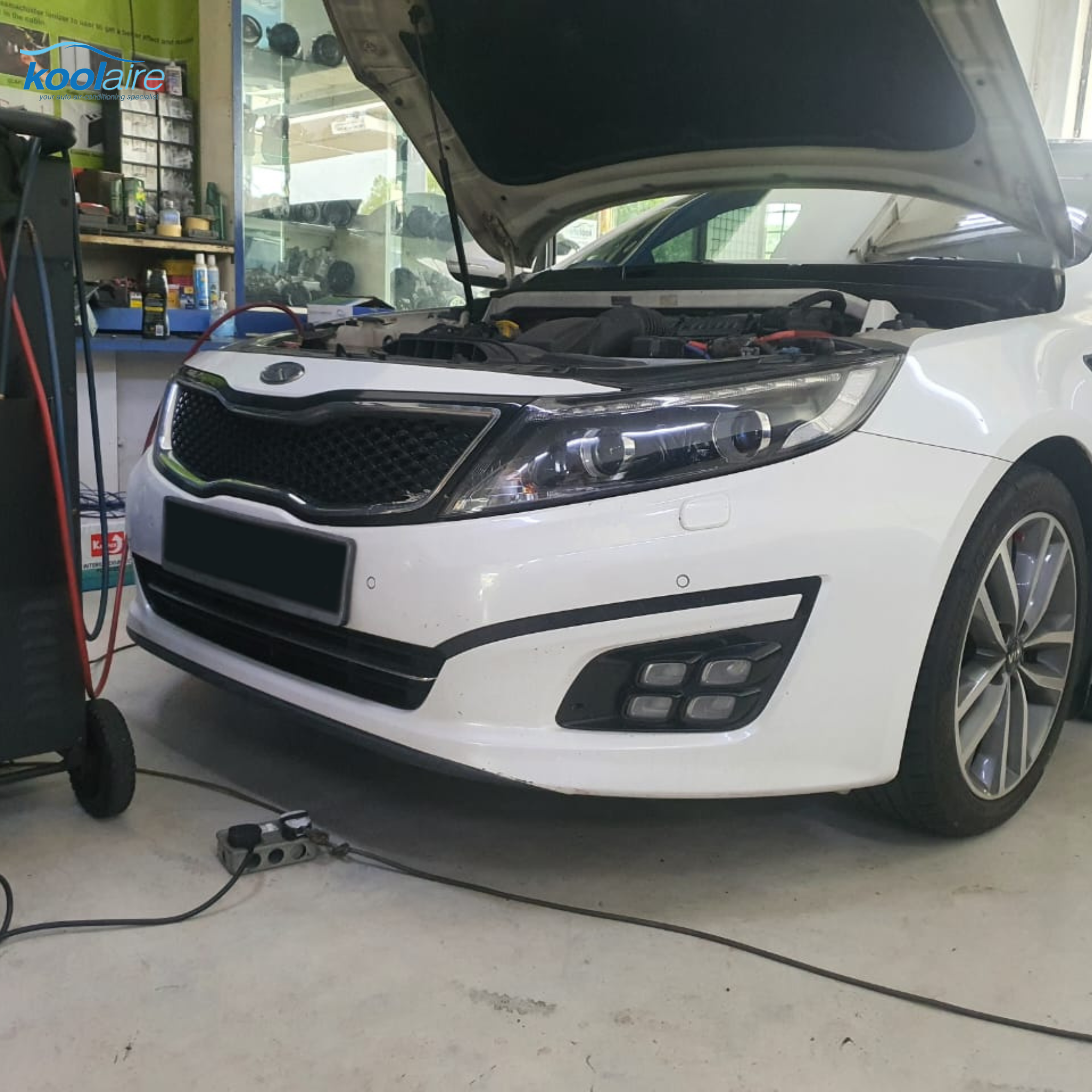
Car aircond refrigerant is not meant to be consumed like engine fuel. It circulates through a sealed system, transferring heat as it changes pressure and state.
Only testing on the vehicle can confirm whether refrigerant is low and why. Pressure readings alone may not tell the whole story.
If gas is low, the system condition matters
Connections, seals, hoses, coils and components all form part of the refrigerant circuit. A loss can be small, intermittent or difficult to see without the appropriate inspection method.
What details are useful to share?
- How long cooling lasts after a refill
- Whether cooling fades gradually or suddenly
- Any visible moisture, stains, sound or smell
- Previous repairs or replaced aircond parts
These clues help guide the inspection, but none proves the leak location by itself.
Why “just top it up” may be incomplete
A refill can change the symptom without resolving the reason. Depending on the findings, a workshop may need to check system pressure, operation and possible leakage before recommending the next step.
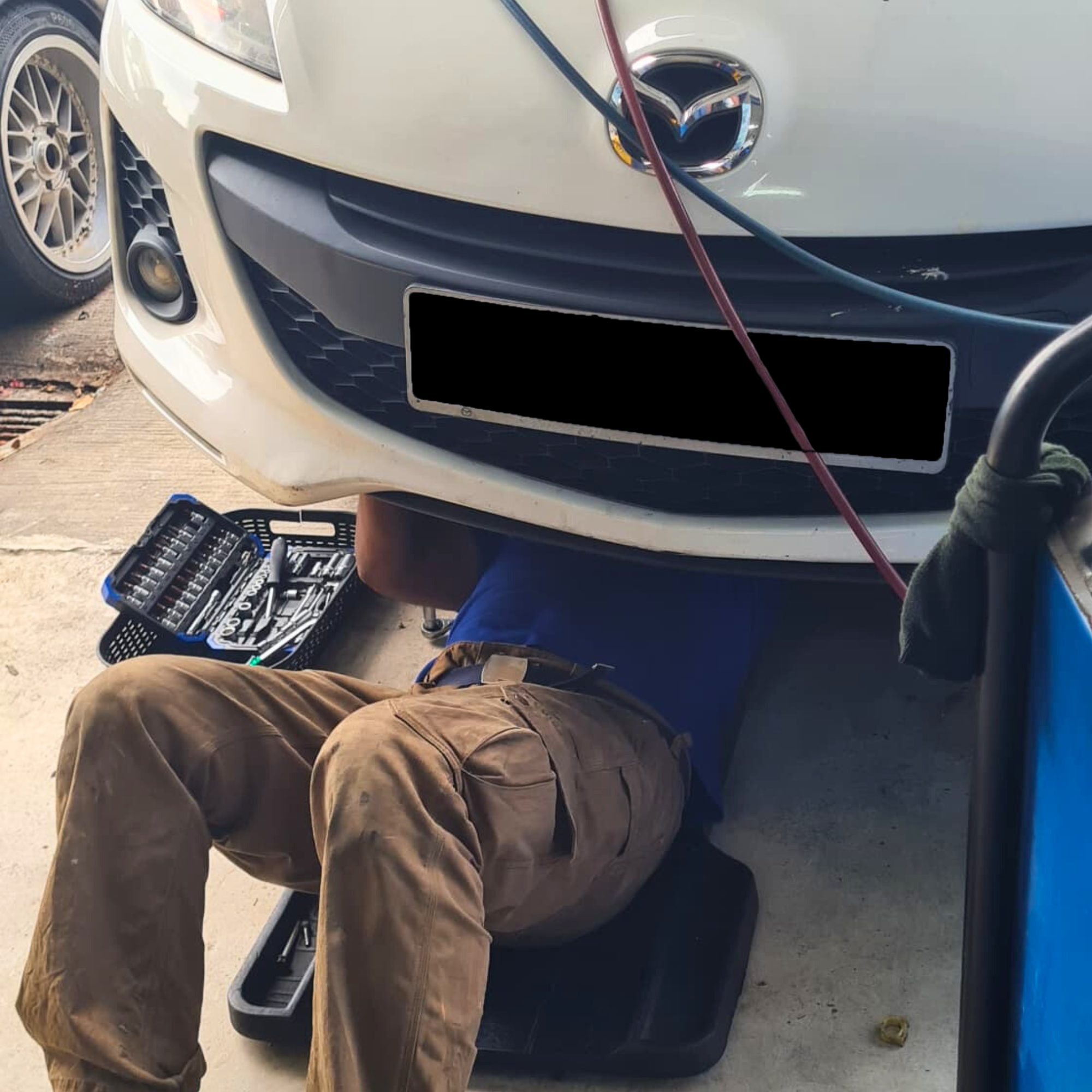
Inspection supports a more transparent decision
Once the likely cause and service scope are understood, the workshop can explain the options, parts and price. Repair should proceed only after you agree.